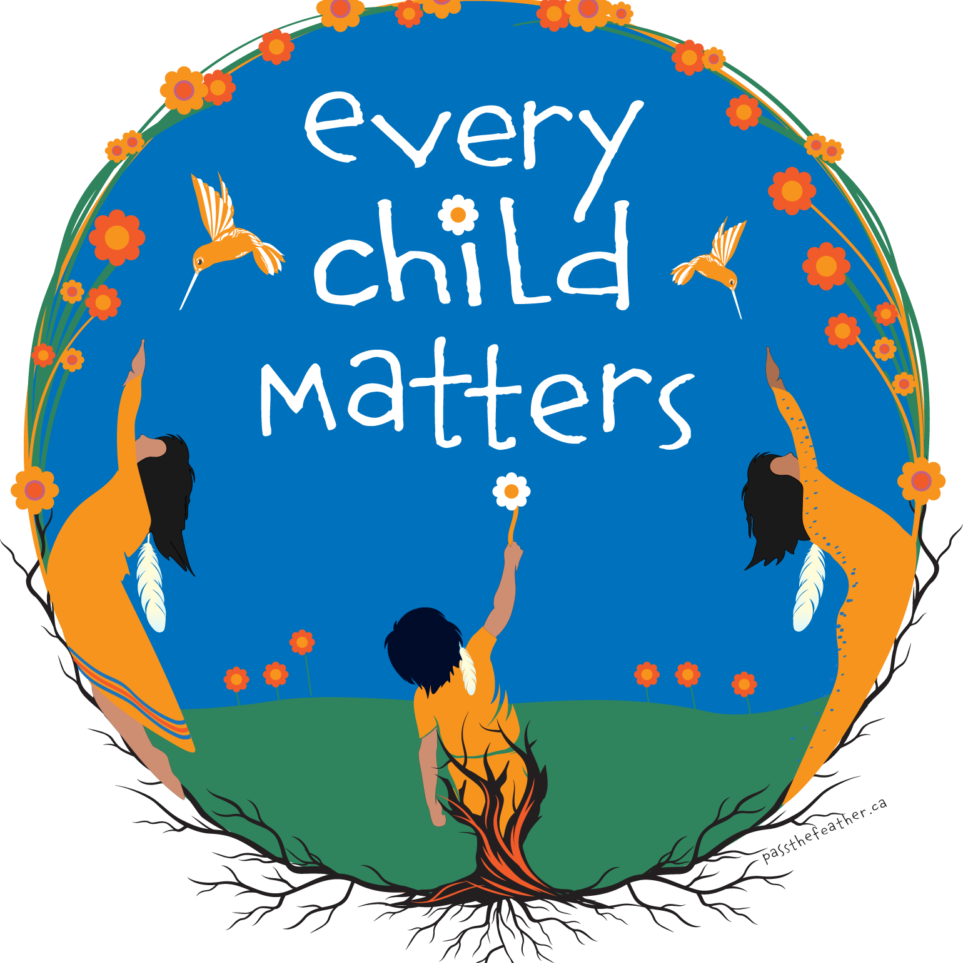
End Crimes Against Indigenous Peoples
Our commitment to provide programming to survivors is vital.
IAC is Founded by a Sixties Scoop Survivor
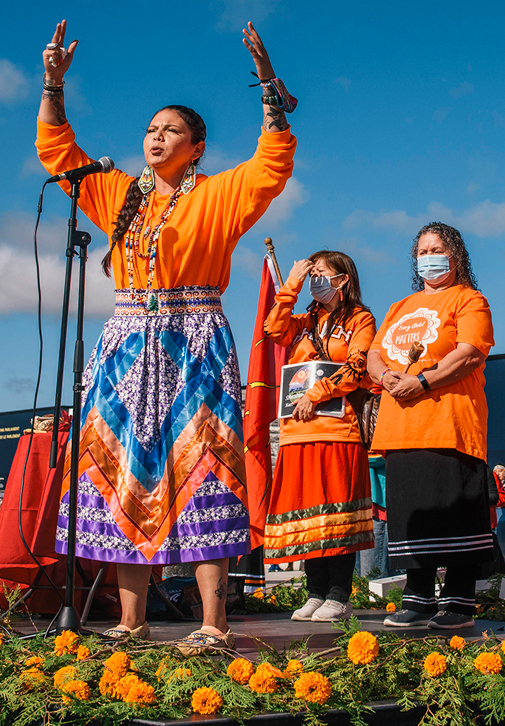
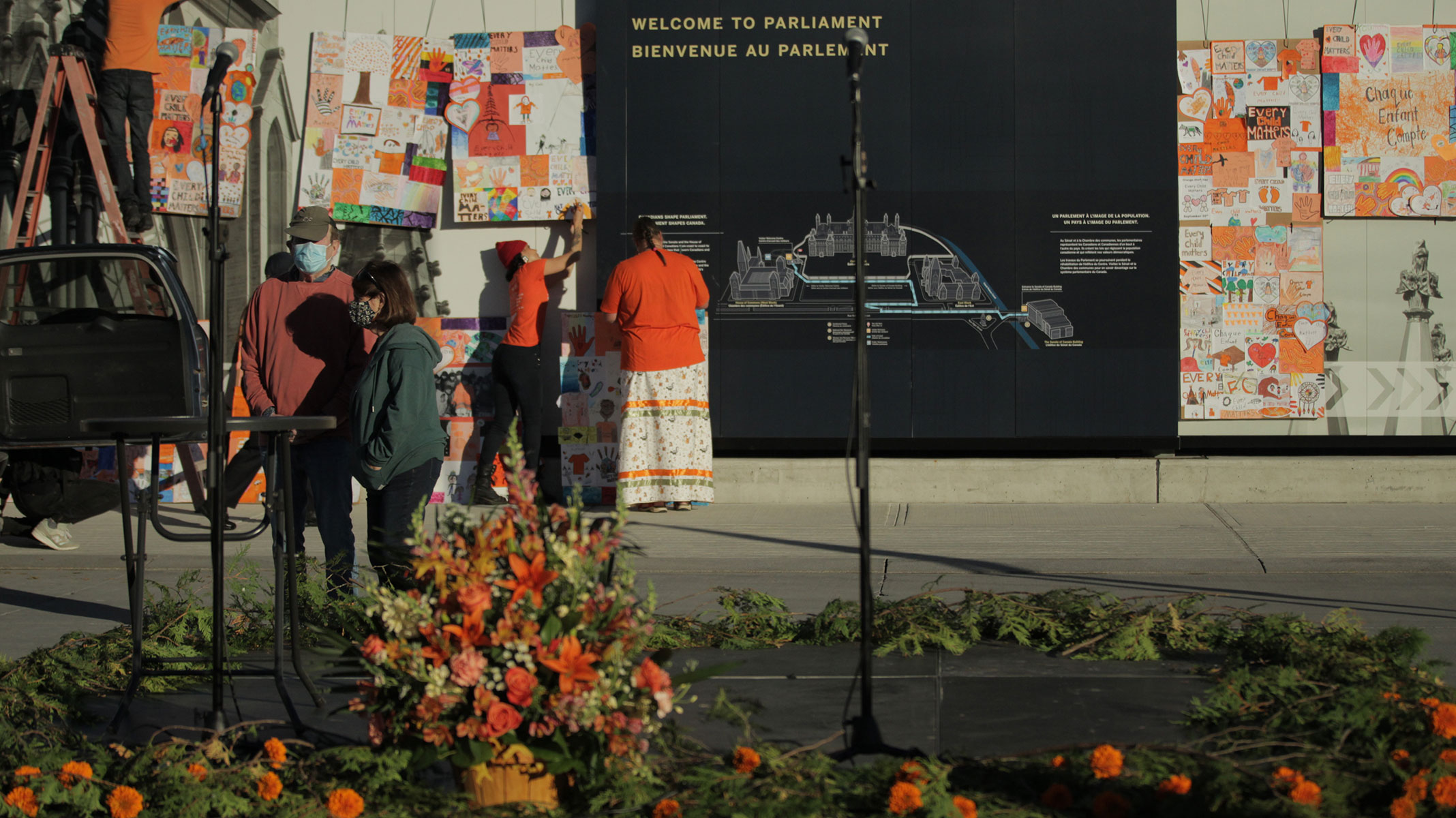
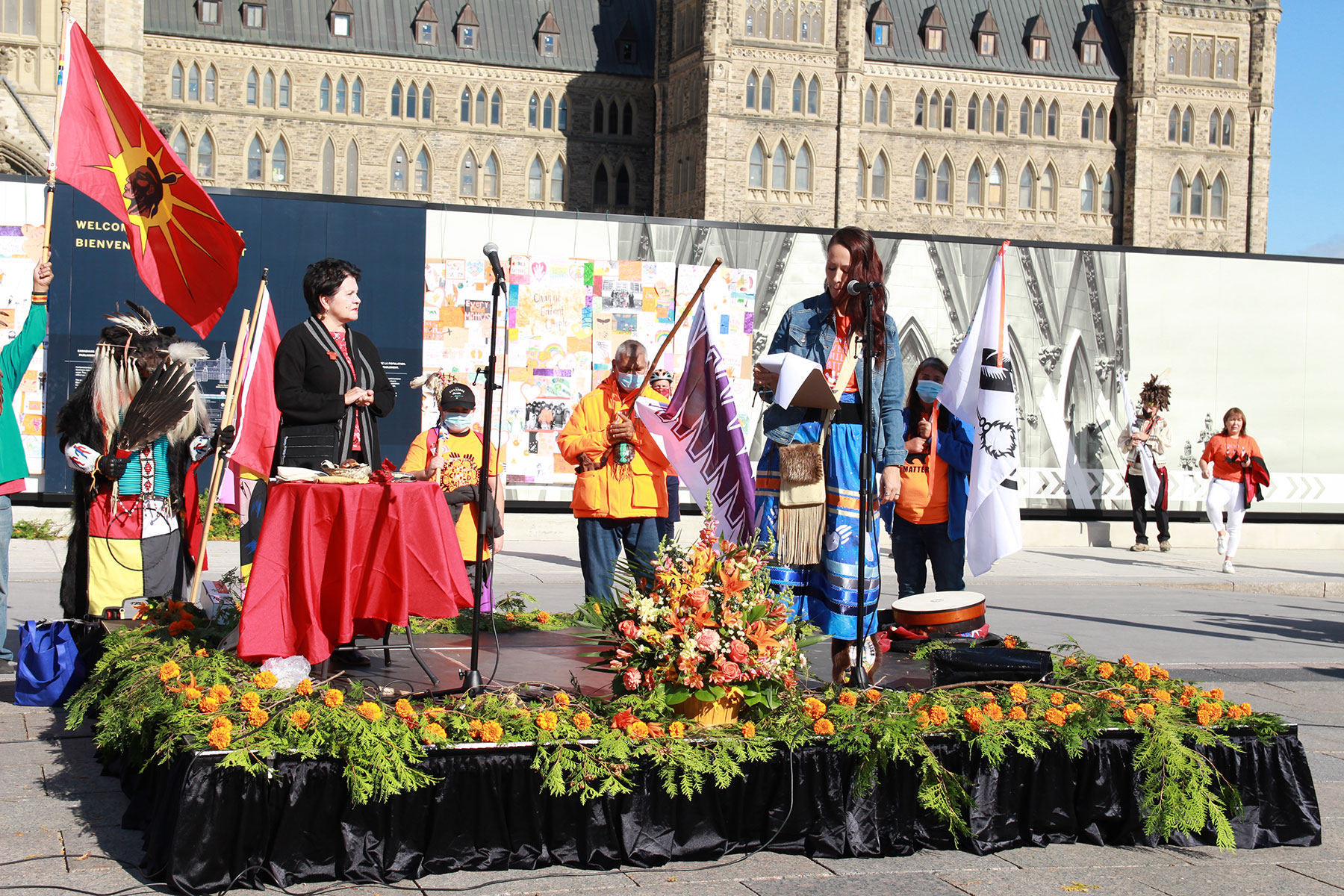
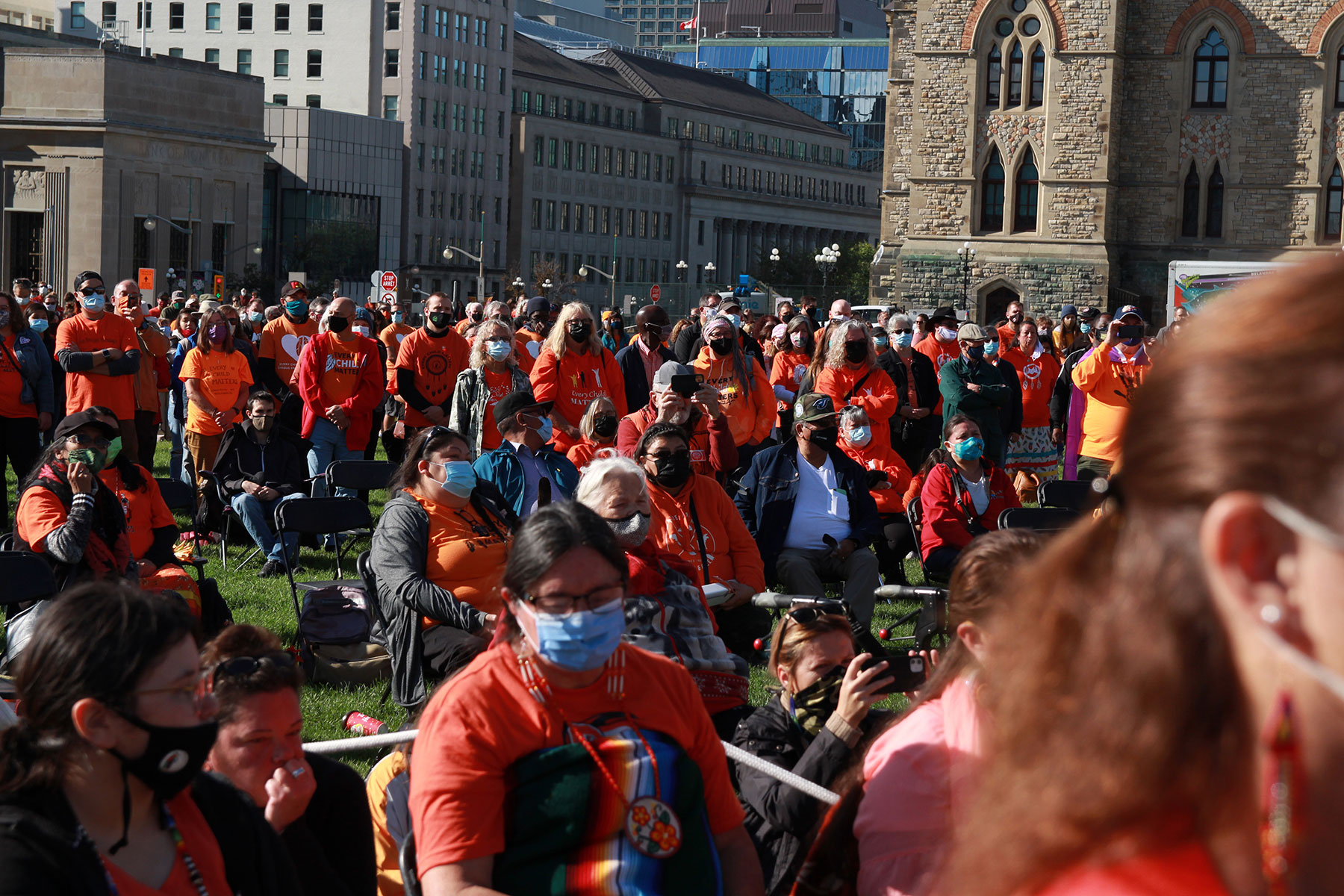
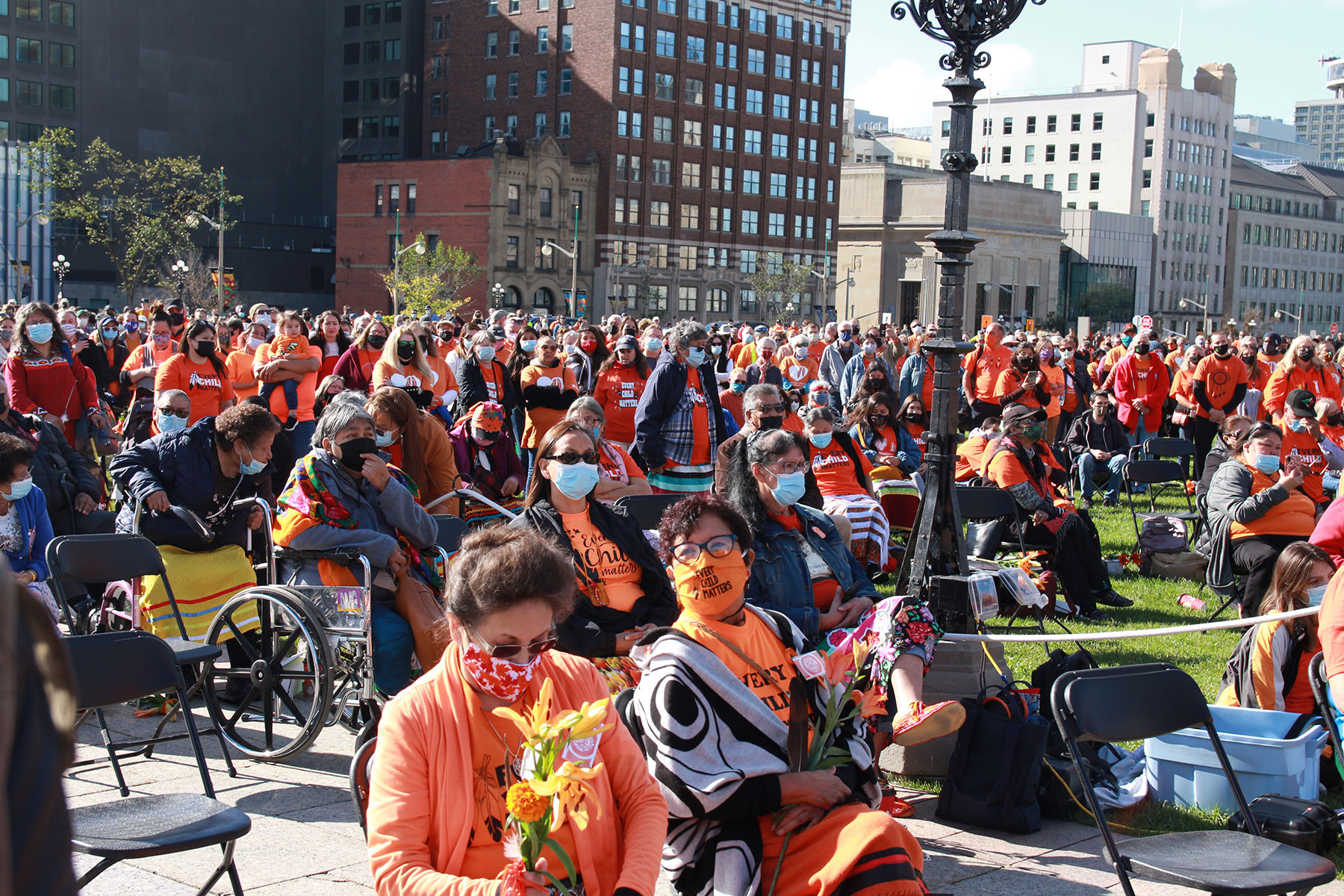
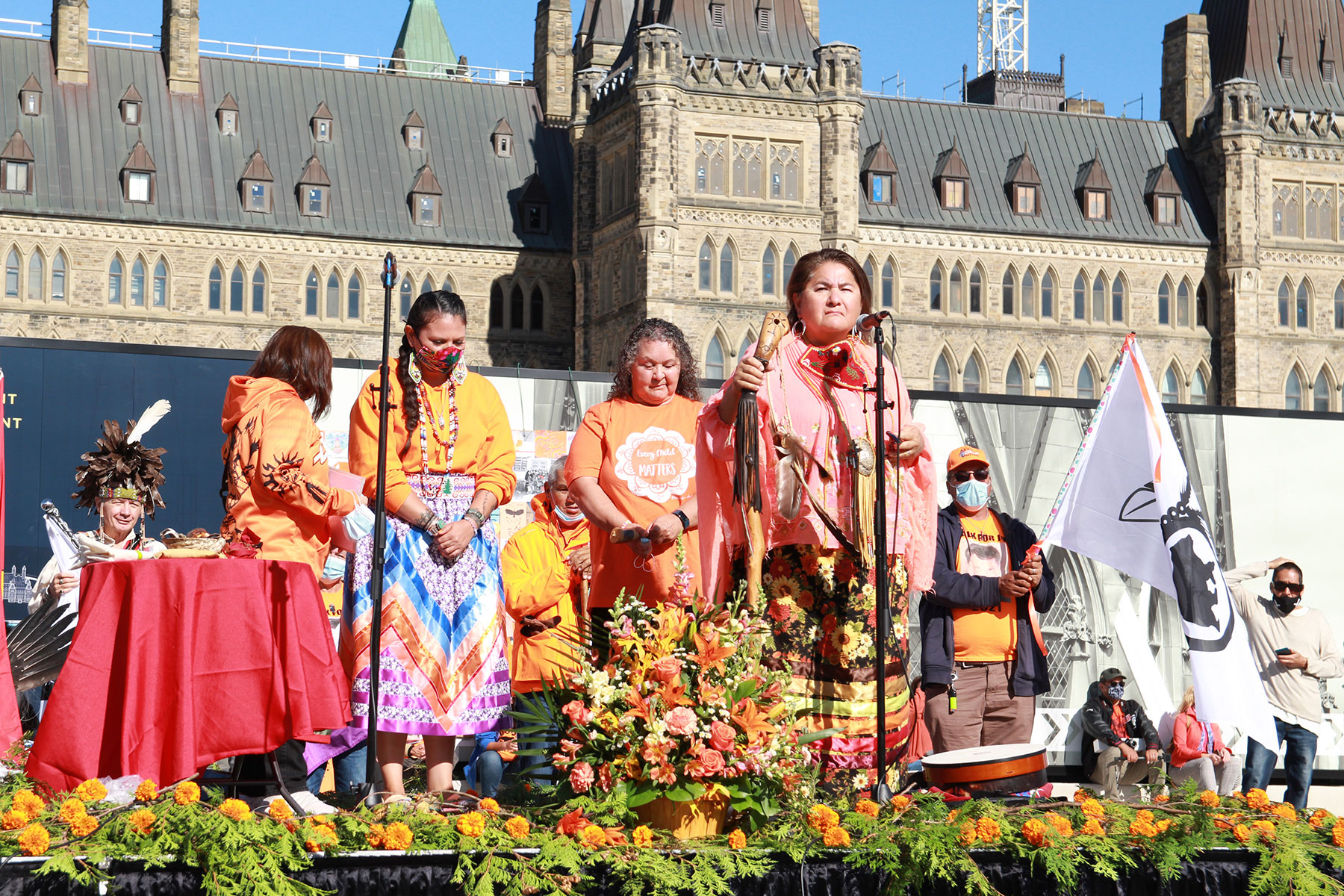
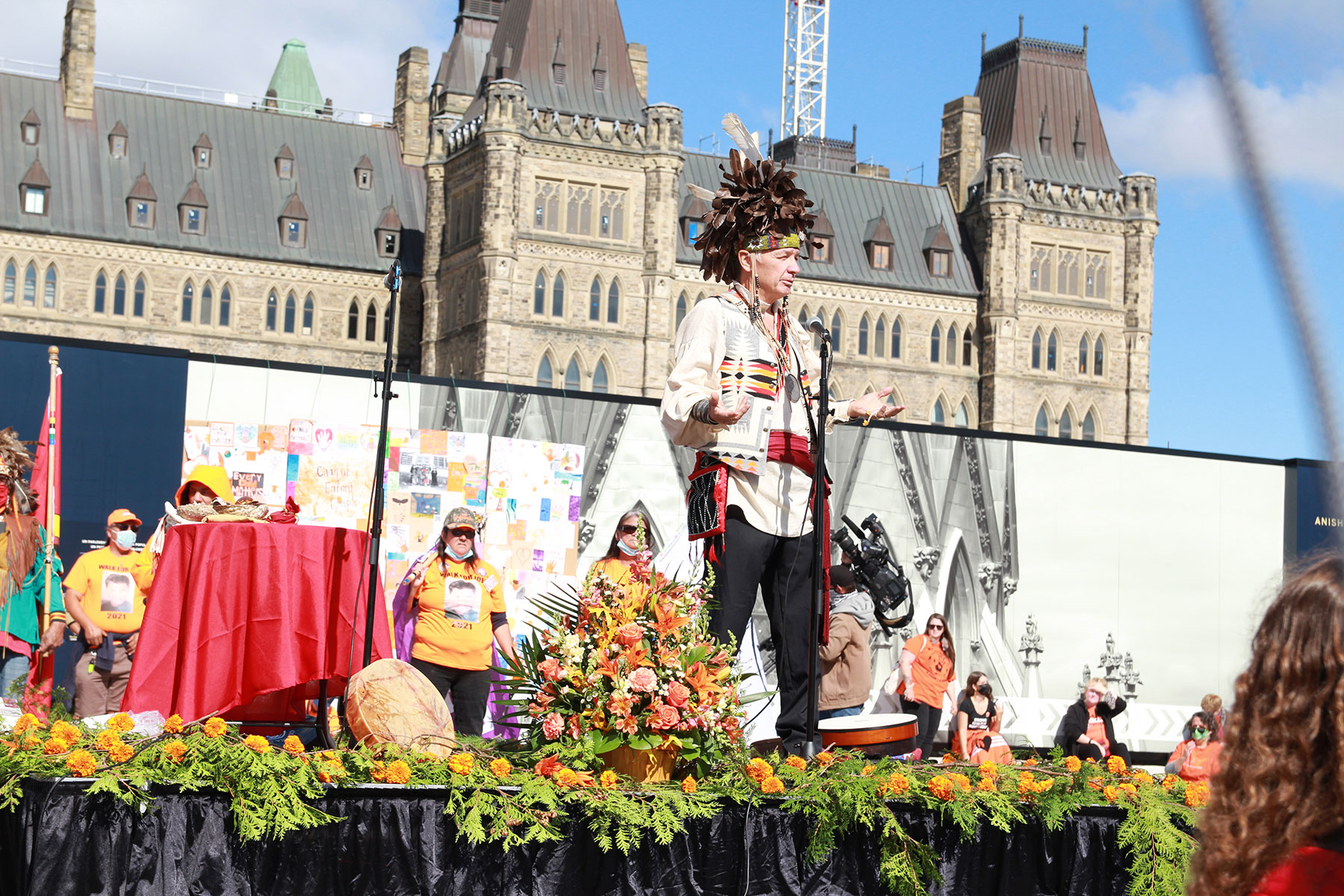
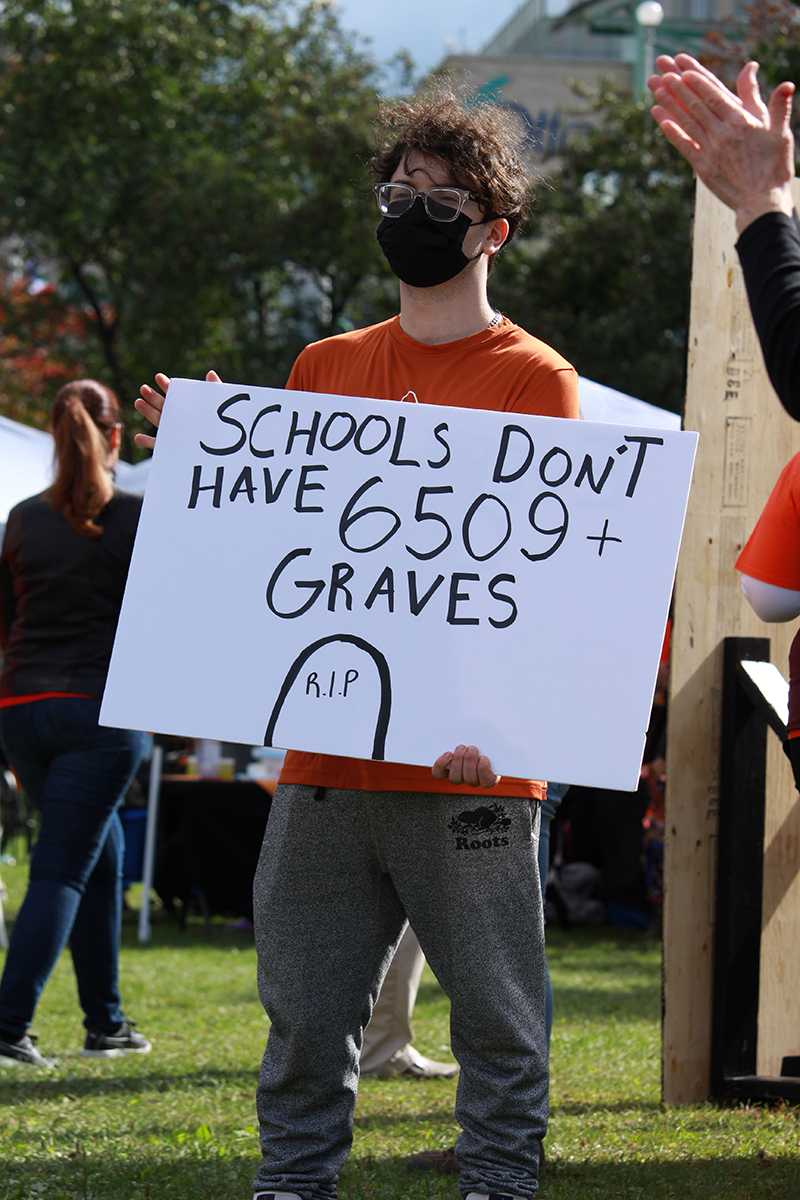
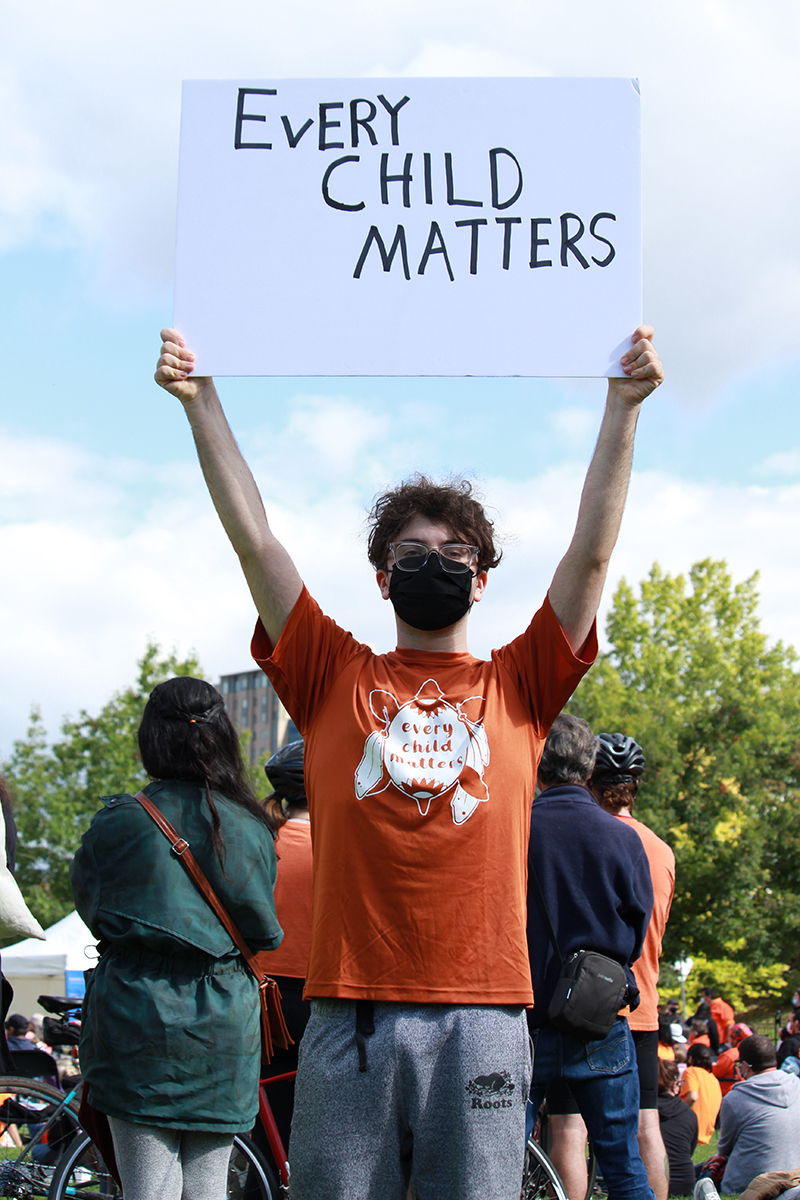
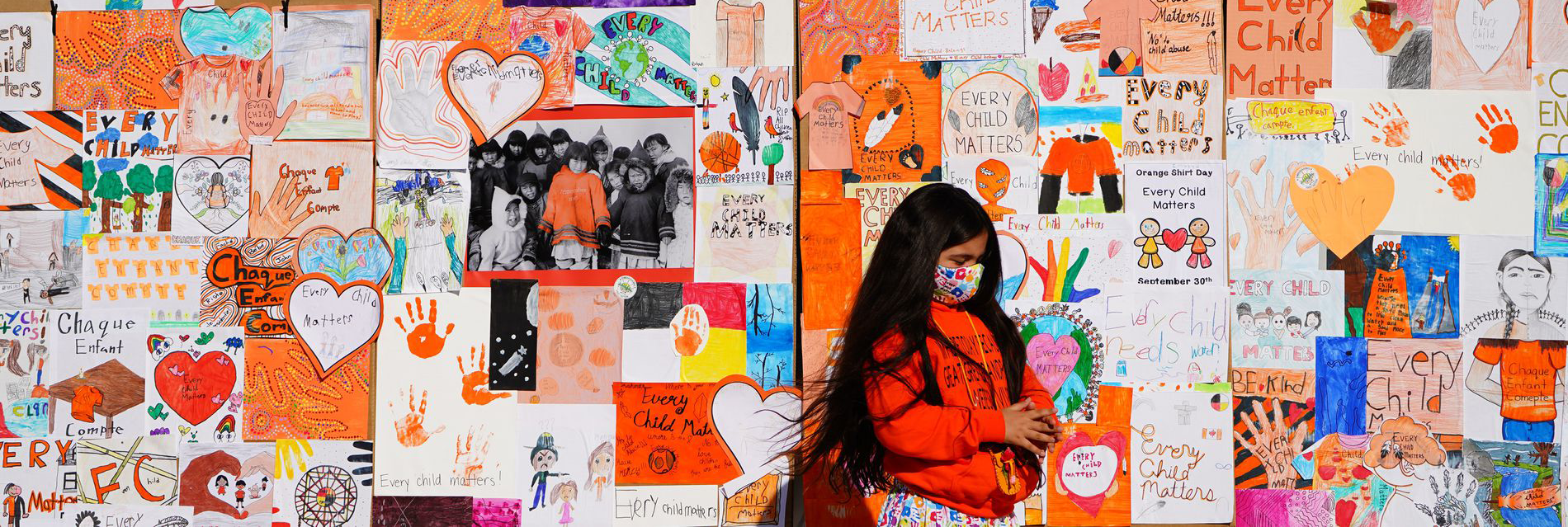
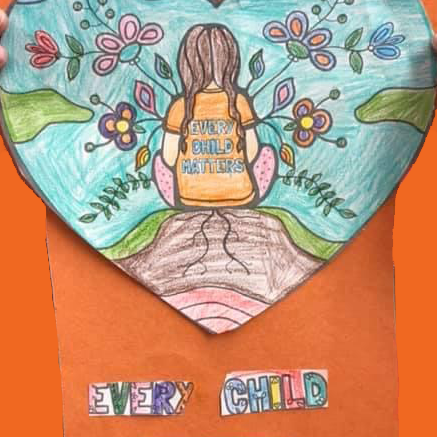
Pictured: IAC's children's art exhibit at 1st National Day of Truth and Reconciliation on Parliament Hill, September 30, 2021 & 2022. IAC was the first organization to bring Indigenous survivors and communities together in this national awareness event.
Sixties (60's) Scoop
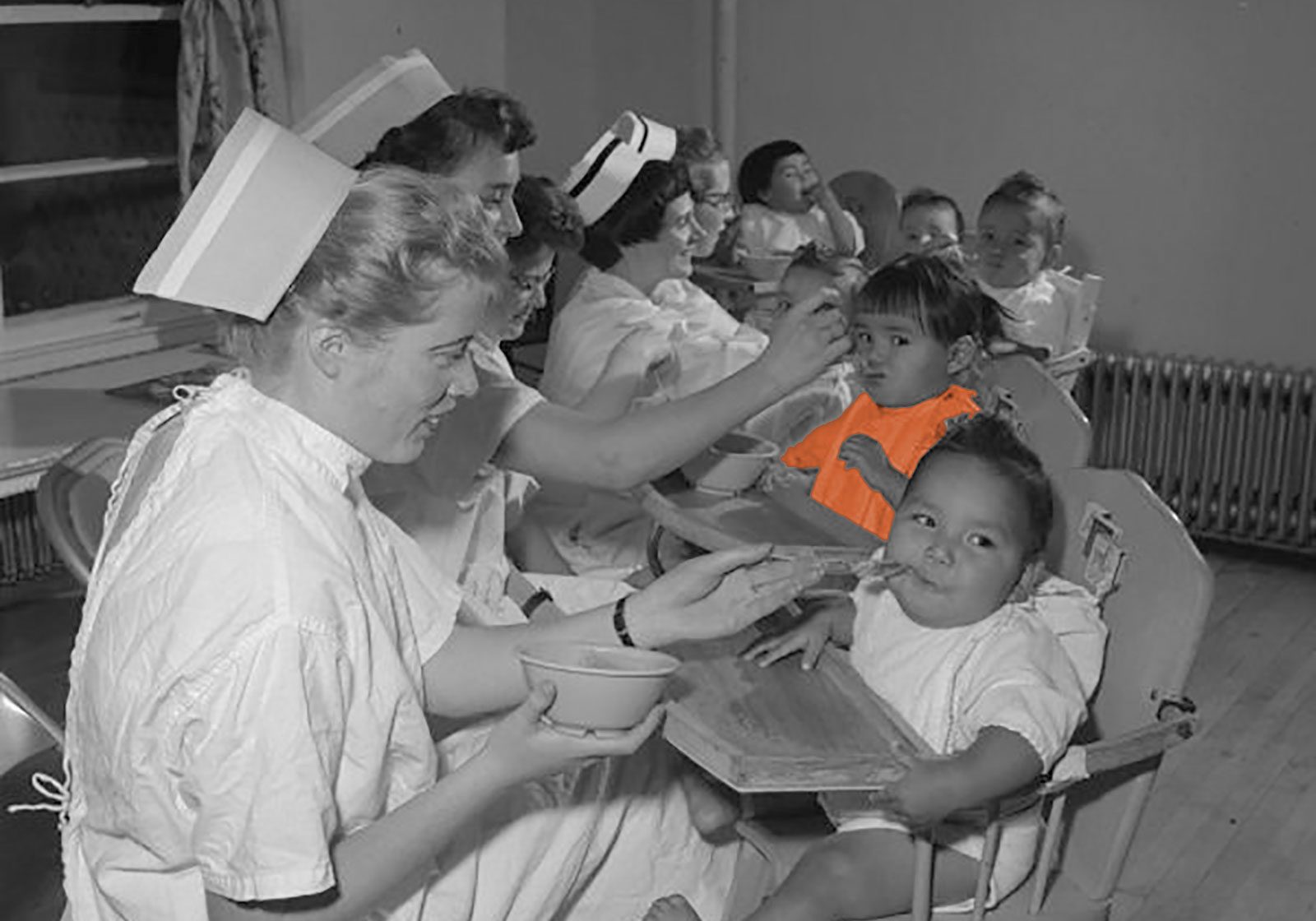
Over 25,000 First Nations, Inuit, and Métis children were apprehended and permanently displaced through child welfare systems (Children's Aid Society, AIM (Adopt and Indian/Métis) during what has become known as the "Sixties Scoop". This number is likely much higher because records of the infants and children were destroyed/edited and incomplete. Many children who are now adults still do not know their true identity. It is likely that the numbers equal those of Indian residential schools solely because it was more a easily hidden activity taking place in hospitals (Indian wards) at the time of birth.
The practice of forcedly (or coercively) removing infants and small children from their mothers and placing them in foster care was a program that aligned with the Indian residential schools. The program could increase the number of children captured as it included new born infants from hospitals and not just school-aged children. This elevated the number of Indian children who would be appropriated into mainstream white culture thus decreasing the population of the Indian race in north america (cultural genocide).
Although the name 'Sixties Scoop' references the 1960s, these removals continued into the 1980s and even today Indigenous children are over-represented in the child welfare system.
Survivors report their engagement with other adult survivors gatherings have told their stories of being purchased for child labour (farm and domestic workers), being removed at birth in hospitals, being adopted, entire childhoods moving from foster home to foster home, severe abuse, childhood abandonment and homelessness. In adulthood most face lifelong battles with identity resulting in substance abuse and disturbingly high suicide rates.
Indian Residential Schools
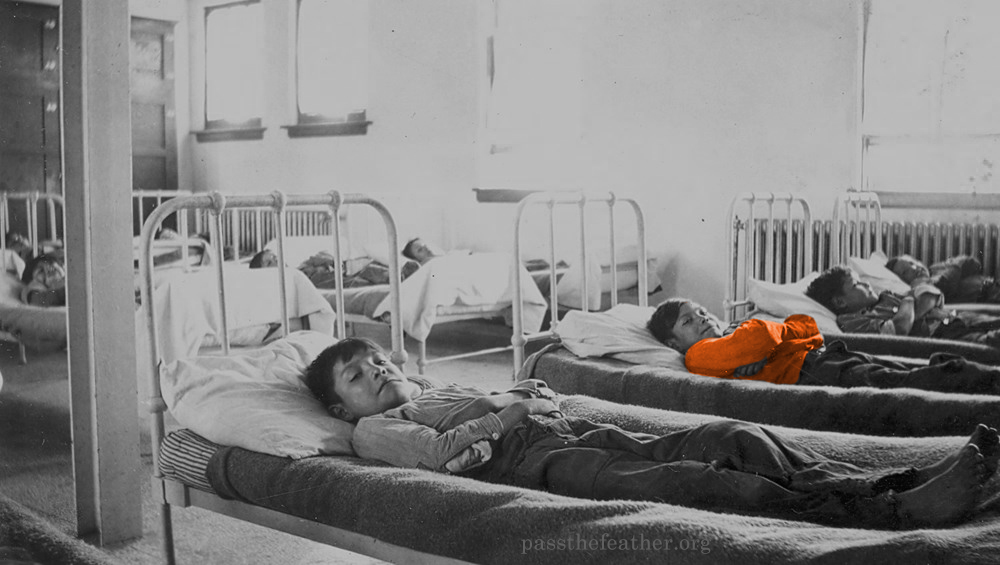
Residential schools in Canada were a government-sponsored, church-run network of boarding schools for Indigenous children (First Nations, Inuit, and Métis) operated from the 1880s to the late 1990s.
Designed to forcibly assimilate Indigenous children, these schools separated over 150,000 children from their families and culture, with many suffering abuse, neglect, and death, which the Truth and Reconciliation Commission termed "cultural genocide".
Schools were often overcrowded and underfunded, leading to poor health conditions, diseases (such as tuberculosis), starvation, and rampant physical, emotional, and sexual abuse.
The Indian Act was amended in 1920 to make attendance mandatory for Indigenous children aged 7–15.
As of 2026, searches using Ground-Penetrating Radar (GPR) and archival research have identified over 2,300 potential or suspected unmarked graves across dozens of former school properties.
The National Centre for Truth and Reconciliation (NCTR) has officially documented the names or existences of over 4,100 children who died while attending these schools. However, Canada's Truth and Reconciliation Commission (TRC) noted that due to poor, destroyed, or unkept school records, the true number of children who died from disease, malnutrition, abuse, or neglect is likely far higher, with some officials estimating it to be well beyond 10,000.
Forced Sterilization
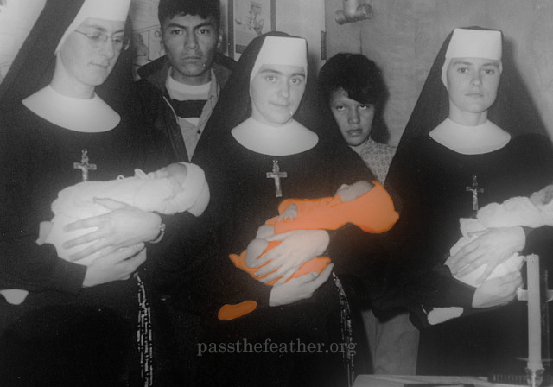
Coerced sterilization refers to the practice of sterilizing Indigenous women without free and informed consent. Based on eugenics beliefs and policies, Sexual Sterilization Acts were passed in Alberta (1928 to 1972) and British Columbia (1933 to 1973) and were not repealed until the 1970s. Under the Acts, a board of eugenics could order sterilization of institutionalized patients who “if discharged without being subjected to an operation for sexual sterilization would be likely to beget or bear children who by reason of inheritance would have a tendency to serious mental disease or mental deficiency."
Between 1966 and 1976, it is estimated that more than 1200 sterilizations (approximately 1150 Indigenous women, and 50 remaining men or of undocumented sex) were sterilized. From 1966 to 1976, more than 70 sterilizations were also performed on women in Nunavut. This information was collected here.
As of April 2019, over 100 Indigenous women from across Canada have come forward to say that they were forced or coerced to undergo a sterilization procedure. Of these women, most had not been offered other forms of birth control and were only given inadequate information about sterilization. Some of these women recall feeling pressured, if not threatened, by health care providers to consent to a sterilization procedure — without fully understanding the procedure’s risks or permanency. In some cases, sterilization procedures were conducted despite the women expressly refusing to provide consent and/or sign a consent form. More here.
The Survivors Circle for Reproductive Justice is a national Indigenous organization created to centre the lived experiences and priorities of Indigenous women, men and 2SLGBTQQIA+ who have experienced reproductive and obstetric violence, including forced/ coerced sterilization. Our mandate is to provide supports to Survivors and to advocate for reproductive justice for all First Nations, Inuit, and Métis across the provinces and territories.
Our Programs and Support
The IAC prioritizes Indigenous survivors of Indian residential schools, infant/small child apprehension (Sixties Scoop, AIM) and forced sterilization victims.
The IAC functions on ancestral waterways. The matrilineal lines are the pathways on which we become who we are and this is directly rooted in the ways of our grandmothers. In this knowledge we know that both the joy and the trauma of our ancestors are passed to us genetically.
We are made from trillions of cells and each one is a cumulative gift from multiple generations of grandparents and if you lean into the western scientific perspective, the study of epigenetics is how the experiences of your ancestors are passed down and profoundly influence how we walk through this world.
Haudenosaunee concept of matrilineality considers that the new information is merged into our biological framework and takes a journey inside of us where it meets memories and knowledge from the cells that we’ve received directly from ancestors.
When you harm a mother, you harm every child and grandchild that will ever emerge from her precious cells. This is why we heal every day - so that with each generation there is less healing to be done.
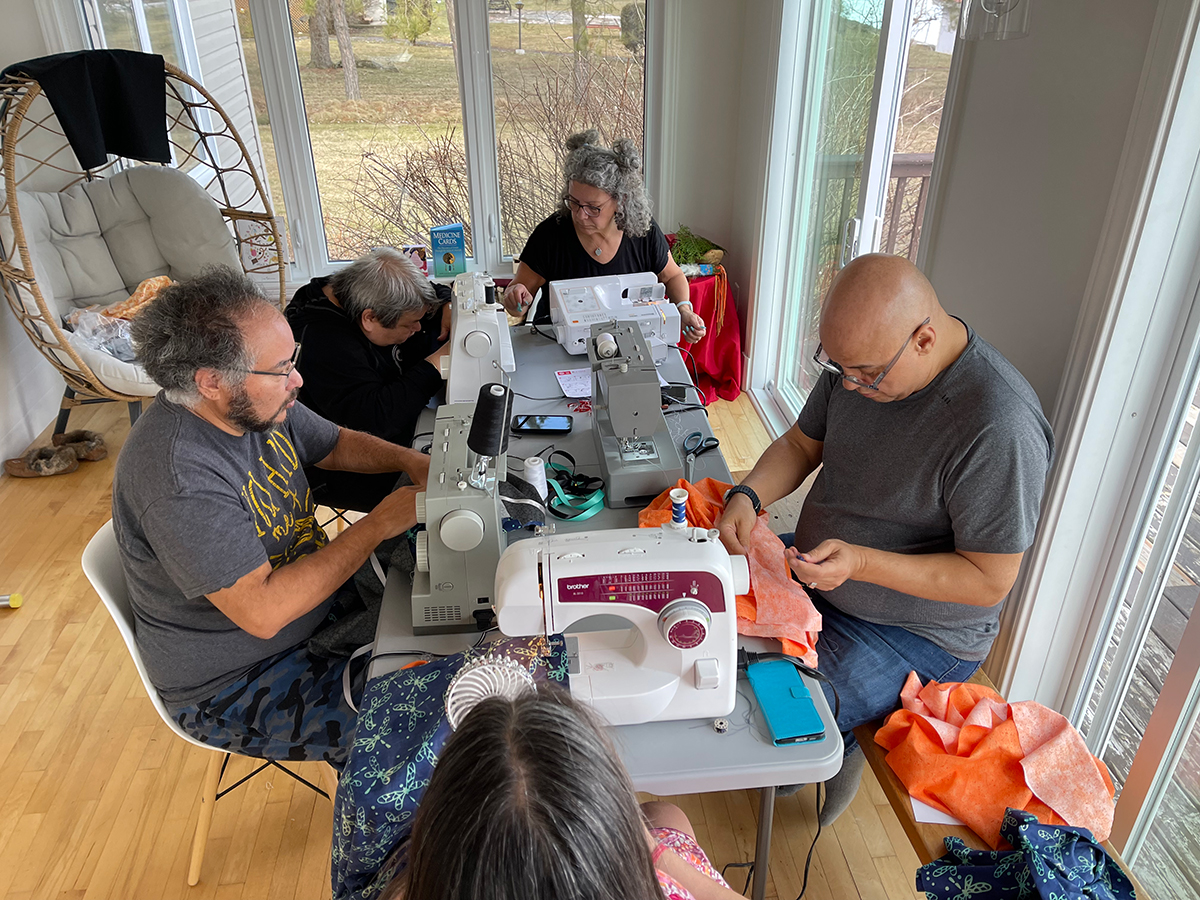
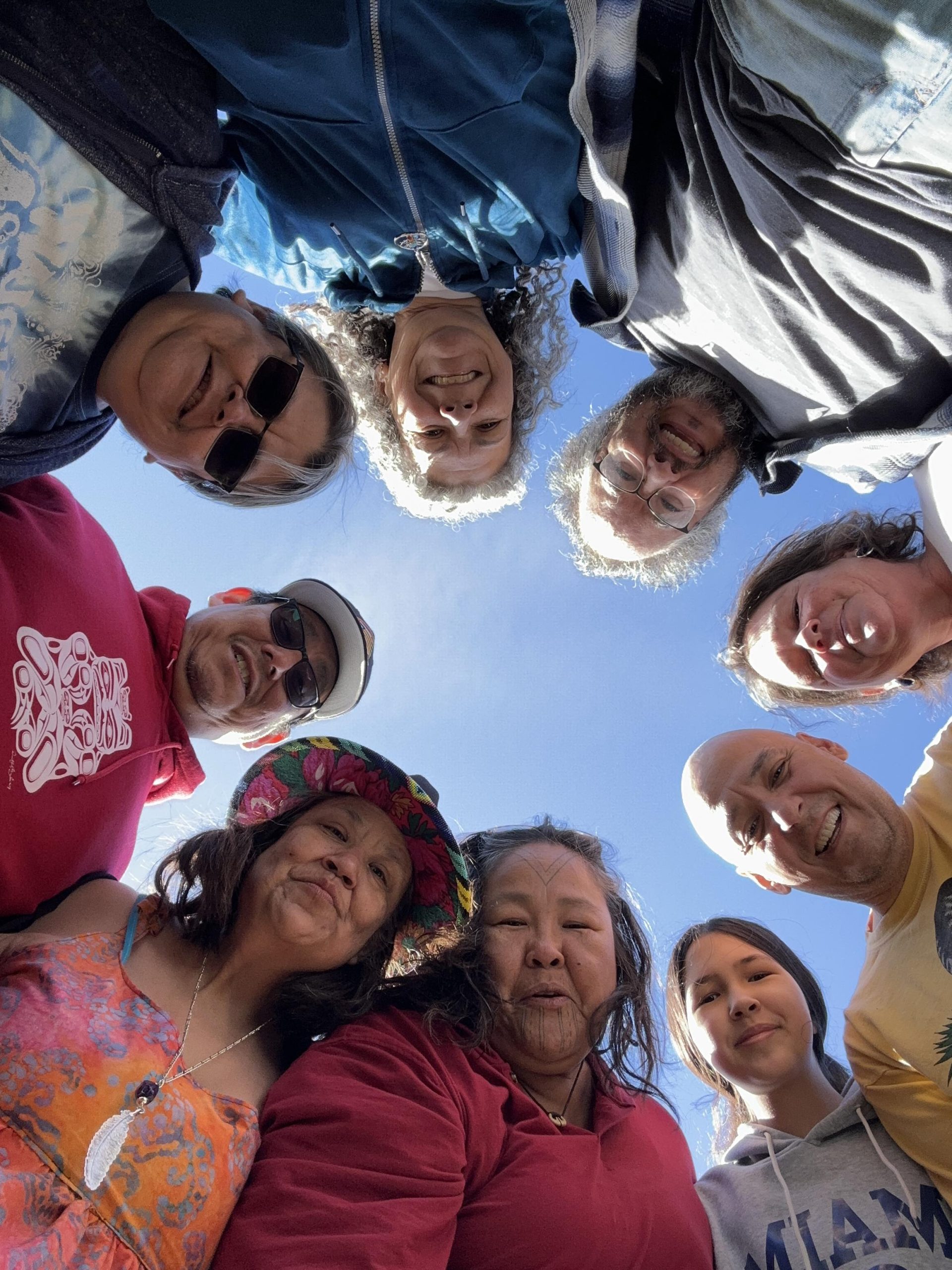
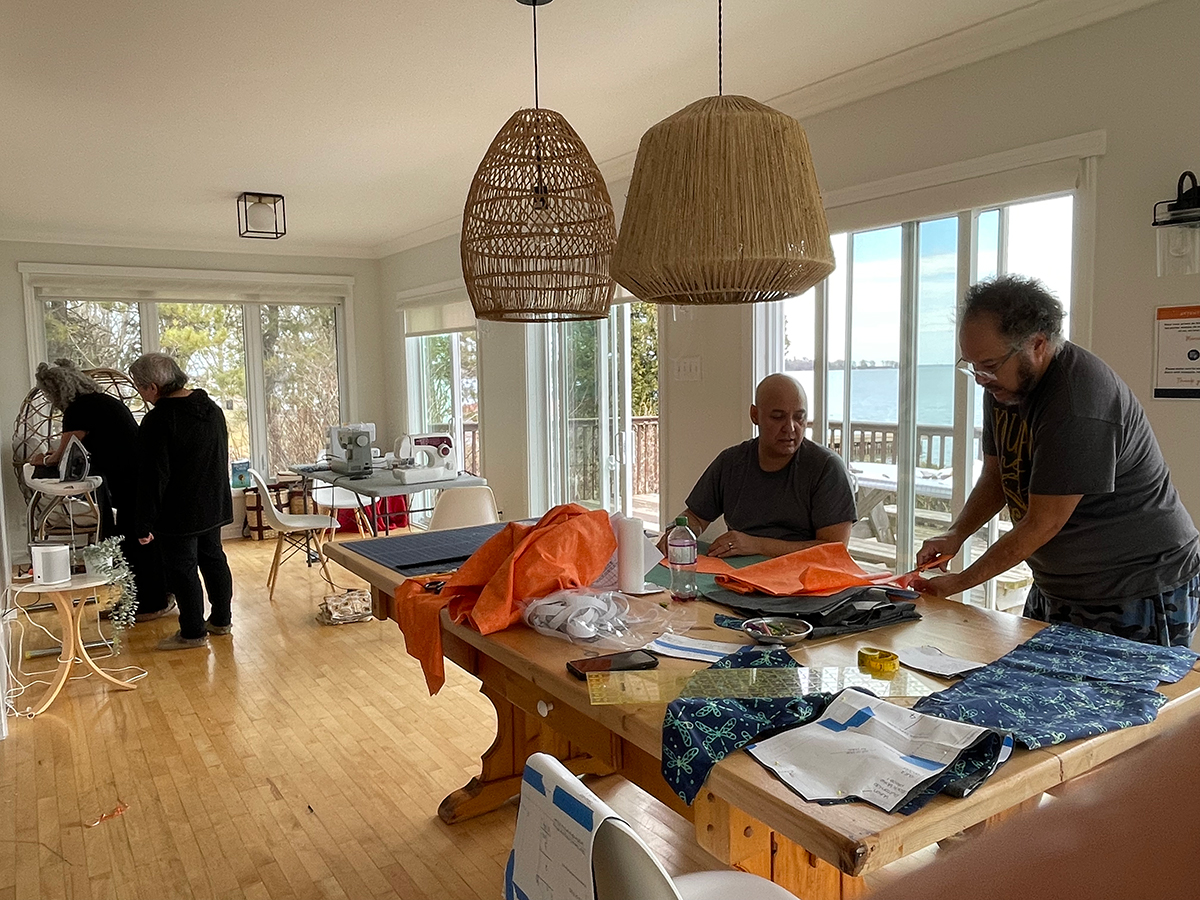
The IAC facilitates an annual gathering for survivors of the Sixties Scoop and no matter how small it may be, the comfort of the survivor family is monumental.
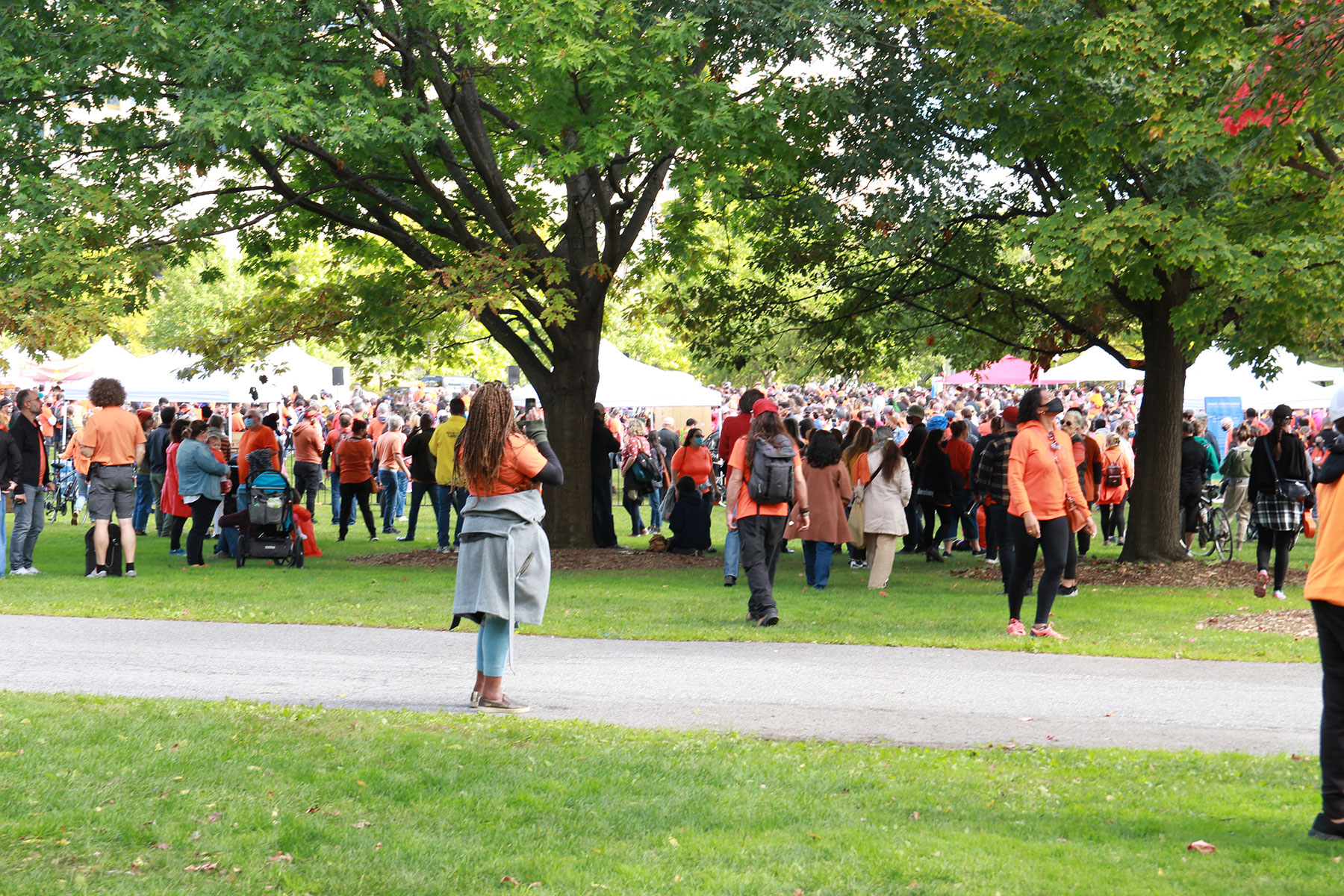
The IAC also facilitated the 1st and 2nd National Day of Truth and Reconciliation on Parliament Hill.
Dawn, our IAC founder puts Eagles through ceremony and visits with survivors - her gift to them is a single feather.
National Day Truth & Reconciliation, Parliament Hill, 2021 & 2022
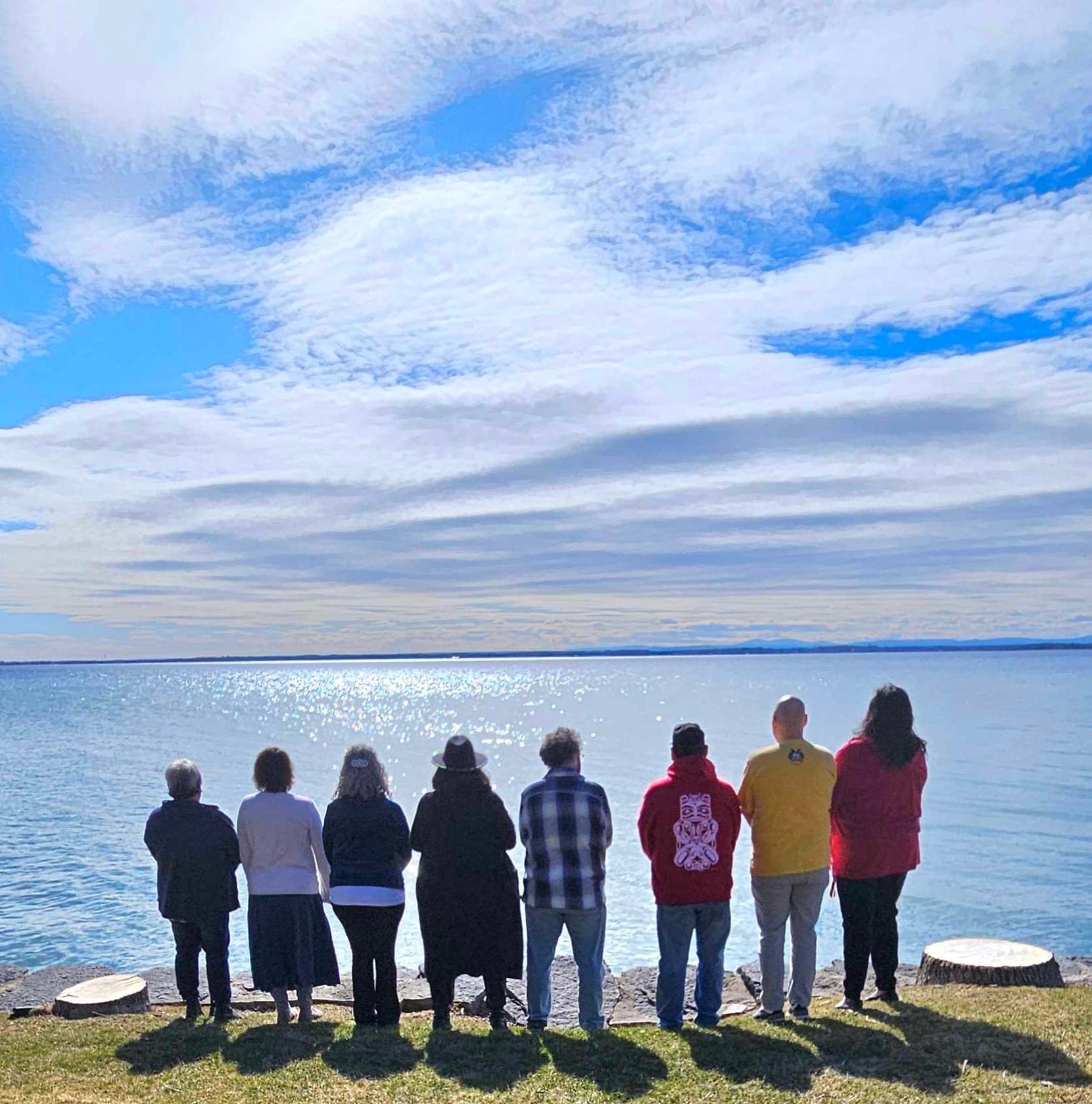
Sixties Scoop Gatherings - Some of Our Family